Bio-Fuels – Types and Features

Bio-fuels are those that are derived from biomass and use renewable sources of energy usually employing plant matter as the raw material. The most common types of bio-fuels are solid biomass, various biogases, and liquid fuels. As the price of depleting fossil fuel rises, affecting the world economy, biofuels may come to the rescue as a partial or complete replacement for our energy needs.

Bio-fuels can come in many different varieties and some of the first generation of such fuels includes bio-alcohols, Vegetable Oils, green diesel, biogas, Syngas and bio-diesel. Bioethanol is a type of fuel that is already being used in countries such as the United States and Brazil to a certain extent. This type of fuel is manufactured making use of vegetation that is used for feeding livestock. Therefore it does not use edible plants used by human beings which makes it a much better option compared to other edible crops.

Bio-diesel can help in reduction of toxic gases such as carbon monoxide since it uses animal fat, recycled greases and vegetable oils. Even though it can be utilized in its pure form, it is generally used as an additive to normal diesel. This type of fuel is the most popular one in European countries.

There are myriad varieties of bio-fuels and some of them include propanol and butanol but the most widely used bio-fuel is ethanol. Made by fermentation of sugar and starches, ethanol is produced by the action of micro-organisms on these substances. The use of ethanol is widespread in Brazil and is created from molasses, corn, sugarcane and sugar beets. Even though such fuels can decrease the quantity of noxious waste; they are still not entirely cost-effective and competent as compared to gas. Methanol and Butanol are the other types of alcohol based fuels on hand but are made use of to a smaller extent.

Green diesel, which is also known as renewable diesel, is a kind of diesel fuel which is derived from renewable feedstock instead of the fossil feedstock used in many other types of diesel fuels. Green diesel is different compared to biodiesel which is chemically different and made using transesterification instead of using the usual fractional distillation utilized to manufacture green diesel.

Biodiesel is the most ordinary kind of bio-fuel used in Europe and is produced from oils or fats using transesterification and is a liquid not unlike conventional fossil or mineral diesel. Vegetable oil is one more biofuel which can be made use of in some engines and many companies manufacture engines that are adjusted for utilizing straight vegetable oil, without the necessity for after-market modifications.

To know more and explore a complete guide on this link Bio-fuels – An Overview

Article Source:
http://EzineArticles.com/?expert=Ashish_Nayyar

Future of Energy: Biodiesel Generators

One of the most exciting new fuel solutions presented has to be biodiesel. For all people who have not heard about biodiesel, it is made from a combination of organic oils like corn, canola, or soy oil with other ingredients to produce a fuel that burns similar to diesel fuel used in vehicles. Biodiesel can even be combined with regular diesel to form a combination of the two fuels that is cleaner burning and safer.

Petroleum and oil are both fossil fuels that eventually run out, and with countries like China, India, and others starting to expand their society and add millions of vehicles and other gasoline powered machines, the supply will dwindle much faster. Thus biodiesel, a fuel that is made from organic oils, can be pretty much grown to meet higher supply and demand. This is one of biodiesel’s really strong points in that it is a highly renewable resource that also has less emissions so it is safer for the environment. Because organic materials used to make biodiesel can be grown, the farmers are supported by a bigger demand and the dependency on oil can be decreased. These points alone should make biodiesel a very great looking alternative fuel.

Biodiesel is currently being used more and more in all types of applications. Many cities are switching city vehicles and other emergency vehicles to use biodiesel as fuel source, thus decreasing cost and lowering pollution. Some gas stations already offer B20, a blend of biodiesel and 80% petrodiesel, that can be used in most diesel vehicles effectively and safely. Biodiesel can currently be used in most newer diesel engines without the need for major modifications or overhaul of the engine. This allows a quicker onset into the public than other fuel solutions. The abundance of many diesel fueled applications allows biodiesel to be used immediately to help cut costs and help the environment as well. Everything from cars, farm vehicles, generators, and a lot of other machines already can utilize biodiesel.

The future of biodiesel as a major energy source is definitely a great possibility. With more research on ways on developing and better utilizing biodiesel, it’s applications will greatly increase. Imagine being able to take cooking oil after frying something up, adding an additive to remove the smell and being able to use that waste oil as fuel for diesel engines. This can be the future of biodiesel and many restaurants that use a lot of frying oil can use this oil to fuel other appliances as diesel furnaces. The future of biodiesel as a major fuel source really depends on the fact that it is highly renewable and the great efficiency possible.

With the future of energy solutions still up for grabs, biodiesel will definitely be a contender. The emergence of new technology and the need to break the bonds developed from oil use will definitely push biodiesel usage up.

Jason Smith is the editor of PoweredGenerators.com, which provides consumer reviews, how-to’s, and uses for home and business power generators.

Article Source:
http://EzineArticles.com/?expert=Jason_Smith

Is Biodiesel Good Or Bad For the Environment?

The Biofuel Debate – What’s all the fuss about?

There has been much talk of biofuels and in particular biodiesel being touted as a more carbon friendly alternative to traditional petroleum based fuel…

Because biodiesel is made from renewable resources (unlike fossil fuels) and it has lower emissions compared to petroleum diesel
Because it is less toxic than table salt and biodegrades as fast as sugar
Because it is made entirely from renewable resources such as soybeans, sunflowers, rapeseed and palm oil as well as waste vegetable oil (used cooking oils)

It surely follows biodiesel must be better for the environment…or is it?

Over the last few years through the Kyoto Protocol, governments have discussed the global issue of climate change with a view to setting targets to reduce greenhouse gases. Whilst there has been general agreement that something needs to be done and targets have been set, the United States is the only developed country that has not ratified the treaty and yet it is one of the significant greenhouse gas emitters.

The dilemma seems to be that biodiesel is undoubtedly greener than traditional petroleum based fuel. On the other hand however, as there is no stipulation how and where this fuel is produced, could this ‘green’ fuel actually be doing more harm to our environment than good?

Let’s look at some of the contributing factors to this debate…

Biodiesel – The Good

As an alternative fuel, biodiesel would seem to be a very good alternative to fossil based fuels:-

Mitigating the effects of greenhouse gas emissions
Making best use of the remaining limited supplies of fossil fuels
Reducing air pollution along with the associated health risks to the public
Benefiting domestic economies by reducing the dependence on importing foreign petroleum
Relatively easy to produce in small or large volumes

Biodiesel – The Bad

The main problem with bio-fuels today is the source of the raw materials:

Biodiesel and ethanol are produced from plant oils and from edible crops meaning competition for basic foodstuffs, food or oil?
Rain forests are being converted to palm oil production (palm oil is a key ingredient of food and other consumables…it can also be used to produce biodiesel)
Current crops cannot keep pace with the bio-materials needed for producing biodiesel

Does this mean if we replace traditional petroleum based diesel with biodiesel we’ll compromise our supply of foodstuffs?

Biodiesel – The Future

The Biotech Industry has begun to help with the need to find alternative fuel sources for the future by looking at how to get more from less:-

Increased production of more plants
Improving crop yields – corn, a common biofuel crop in the USA, yields under 200 barrels (per square mile per year) whereas Jatropha for instance can yield over 2,000 barrels
Use of marginal land – look at crops (see below) that can be grown on arid land rather than take away arable farmland needed for essential food production. Using arid land in the poorer regions could provide social and economic benefits for that region

New sources that lessen the threat of environmental impact include:-

Algae – grows quickly, renews quickly but to be a viable option cost effective harvesting remains a challenge
Jatropha – can be grown in arid climates, has a high yield compared with traditional biocrops, has the potential to increase fertility of the land
Camalina – Researchers say the Camelina plant is an excellent source of biofuel; it can be grown in arid land, with less water, fertilizer and pesticides

Biodiesel – Many Complex Issues

Diesel engines were in fact originally designed in the early 1900’s to run on biodiesel made from oil seed crops and not to run on petroleum-based diesel. Was it a mistake not to encourage the development and take up of biodiesel back then instead of depending almost solely on petroleum?

Despite agreement in principle that biodiesel has a role to play in helping to reduce emissions unless politicians give clear guidelines about the future of renewable fuels there will continue to be a haphazard take up around the world. Most governments have been proceeding with caution and rightly so but mixed messages from governments around the world have only added to the uncertainty around the use biodiesel fuel. What should be the governments role be in promoting the use of biodiesel?

We live in a world today that has largely grown up in a throw away society without due regard to the consequences of waste. This wasteful attitude has been exacerbated by the lack of proper education in the basic skills of survival. It is only relatively recently that modern day governments have begun to encourage large scale recycling.

The challenge we face is to educate the public about the issues surrounding biofuels and what is good or bad. Honest debate not influenced by individual hidden agenda’s is the only way to arrive at political choices that embrace all the issues surrounding the use of biofuel.

So, is biodiesel good or bad for the environment?

One thing is for sure, first generation biofuels once thought to be the alternative fuel source of the future, have come under increased scrutiny recently. It is becoming clear that more information is needed about the potentially destructive elements of first-generation biofuels and the impact they have on the environment.

Environmentalists are concerned that the inadvertent consequence of using biodiesel fuel is unrecoverable damage to the environment. Furthermore, developing a dependence on traditional first generation biocrops may result in food competing with fuel over the use of land. We need to determine what the true balance is between good and bad from an environmental perspective.

Clearly governments need to further embrace the concept of reducing greenhouse gas emissions but should they be more proactive in finding a green source for our fuel as well?

Instead of destroying forests maybe we should look to new more “green” raw materials for producing biofuels. We must embrace the promotion of second and third-generation biofuels in an effort to help solve many of the current problems surrounding the use of first generation biodiesel.

Alan Folkard is an avid devotee and follower of all things about Biodiesel and all the latest information how to make biodiesel. He supports the adoption of biodiesel as an alternative fuel provided a way can be found to balance the good and bad from an environmental perspective.

Want to enter into the whole Green Fuel debate? Biodiesel Oil – Is Biodiesel Oil Good Or Bad For the Environment?.

Article Source:
http://EzineArticles.com/?expert=Alan_Folkard

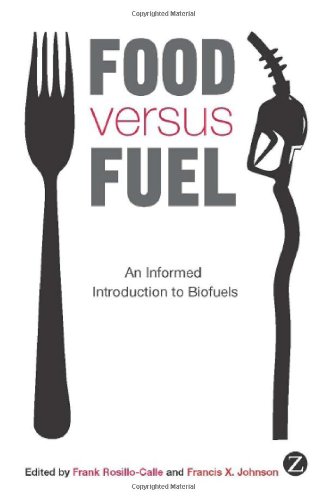
Food versus Fuel: An Informed Introduction to Biofuels

Bio Fuels Facts

Food versus Fuel presents a high-level introduction to the science and economics behind a well-worn debate, that will debunk myths and provide quality facts and figures for academics and practitioners in development studies, environment studies, and agricultural studies. Compiled by an internationally renowned scientist and authority, and including perspectives from “pro” and “anti” biofuels experts and activists, from the North and South, the aim of this book is to bring a balanced approach to the current debate on the major issues affecting the development of biofuels in a concise and clear manner. This is an informed, nuanced but accessible introduction, grounded in science and economics rather than conjecture and controversy.

List Price: $ 26.95

Price: [wpramaprice asin=”1848133839″]